Senate & Assemblies: Insights from the Pergamum Library

 운영자
운영자
본문
When we think about the Ancient Roman Republic, it's easy to picture grand temples, fierce gladiators, and a sprawling empire. But underneath all that dramatic imagery, the real power often came from two key places: the Senate and the assemblies. How did these institutions actually work in everyday life? Well, to really understand their dynamics, it helps to peek into one remarkable resource—the Pergamum Library. This ancient treasure trove offers us rare insights into how Roman governance functioned in practice, not just theory.
You might be wondering, “Why the Pergamum Library? Isn’t that a Hellenistic collection?” True, it originally became famous in the Greek world, but by the time Rome expanded its reach, this library had turned into something of a crossroads for ideas—including Roman legal and political texts. Imagine scholars and statesmen pouring over scrolls from both Greek and Roman thinkers. Thanks to those collections, today’s historians can unravel how closely intertwined the Senate's deliberations and popular assemblies were.
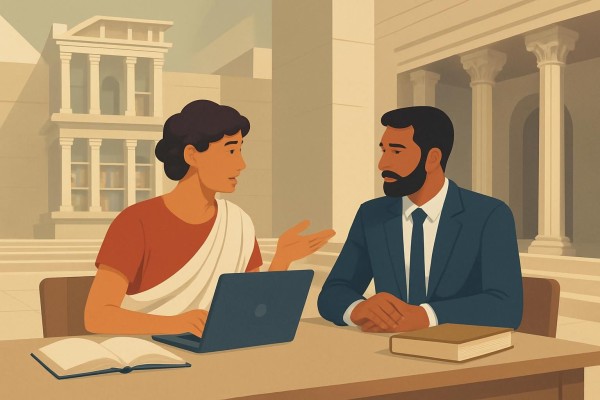
So, what made the Senate so special? Unlike a modern parliament, the Roman Senate wasn't an elected body in the way we think of elections now. It was more of an elite club—mostly made up of former magistrates and patricians—who guided Rome’s policies and foreign affairs. Their power wasn’t absolute, but it was immense. They debated strategies, finances, and religious matters, often behind closed doors.
Now, contrast that with the assemblies—those were the places where Roman citizens could directly vote on laws and elect officials like consuls or tribunes. While the Senate gave advice and set agendas, the assemblies had the final say on many important decisions. Though, you might ask, how democratic was this really? The answer isn’t simple. Voting was weighted by wealth and status, so not everyone’s voice carried the same weight.
An interesting tidbit from the documents found and preserved through the Pergamum Library collections is how senators often influenced public opinion before assemblies convened. Through speeches, personal networks, and sometimes just sheer charisma, they could sway the votes of ordinary citizens. You can almost picture those bustling forums, with senators debating passionately and common Romans casting their ballots—all while whispers of power and persuasion floated in the air.
But remember, the system wasn’t flawless. The tension between oligarchic control and popular power shaped much of Rome’s political drama. Sometimes the Senate pushed too hard, sparking unrest. Other times, ambitious leaders used assemblies to challenge the Senate’s grip. The Pergamum Library’s records hint at these struggles, shedding light on the complexity behind what might first seem like straightforward political mechanics.
Looking back, you can see that the balance between the Senate and assemblies was a delicate dance. Each depended on the other to keep the Republic running, but also kept each other in check. This back-and-forth created a dynamic political culture that lasted for centuries—until the Republic eventually morphed into Empire. If you’ve ever felt stuck trying to understand how old republics managed power, the Rome example is a good reminder: it’s all about negotiation, influence, and yes, messy human realities behind the scenes.
Finally, it’s worth reflecting on why the Pergamum Library itself matters beyond just old scrolls and dusty knowledge. It symbolizes how ideas and information flowed across cultures, shaping political systems far beyond their origins. It reminds us how studying history isn’t just about dates and names, but about connecting with how people navigated power and community. That’s something still relevant today, don’t you think?
요약: 고대 로마 공화국의 권력 구조는 원로원과 민회라는 두 축으로 이루어져 있었다는 점이 페르가몬 도서관의 자료를 통해 잘 드러난다. 원로원은 주로 엘리트 계층의 영향력이 컸고, 민회는 시민들이 직접 참여하는 의사결정 기구였으나 계급적 불평등이 존재했다. 이 두 기구는 서로 견제하면서도 협력하는 독특한 관계를 유지하며 공화국의 정치 문화를 형성하였다. 페르가몬 도서관은 이와 같은 역사적 복잡성을 이해하는 데 주요한 자료로 남아있다.
#AncientRome #RomanRepublic #Senate #Assemblies #PergamumLibrary #PoliticalHistory #RomanPolitics #HistoricalInsights #Governance #ClassicalStudies
댓글목록0