How the Tribunus Plebis Shaped the Ancient Roman Republic's Law and Da…

 운영자
운영자
본문
When you dive into the history of the Ancient Roman Republic, one title you might come across is Tribunus Plebis. This wasn’t just a fancy name tossed around in dusty old texts. It was a vital institution that shaped Roman law and everyday life for centuries. But what exactly did the Tribunus Plebis do, and why should we care today? Let’s unpack this.
To understand the impact of the Tribunus Plebis, you first need a bit of background on Rome’s social structure. The ancient city was marked by a sharp division between the patricians (the aristocratic class) and the plebeians (common people). The Tribunes of the Plebs were officials elected to protect plebeians from abuses by patricians. They became the voice of the many, balancing power inside the republic.
“The Tribunus Plebis was more than a political role — it was a symbol of resistance against oppression and a mechanism for legal reform.”
Picture this: it’s 494 BC, and a group of plebeians is frustrated by the patrician class’s unchecked power. They demand protection and rights. The solution? Establish a new office—the Tribunus Plebis. These tribunes had the power to veto (block) unjust laws or magistrates’ actions that threatened plebeian rights. It might sound like a simple check-and-balance system, but it shook Rome’s governance deeply.
Not only did the tribunes have political clout, they also became the champions of legal reforms. Over time, their interventions led to the famous Law of the Twelve Tables, Rome’s first codification of laws — a foundational step toward Roman law as we understand it today.
Have you ever wondered how laws evolve from privilege to fairness? The Romans showed us one way, through tension and negotiation between social groups. Tribunes could call public assemblies, propose new laws, and protect citizens from harsh magistrates. In a sense, they strengthened the idea that law isn’t just for elites but should serve the broader population.
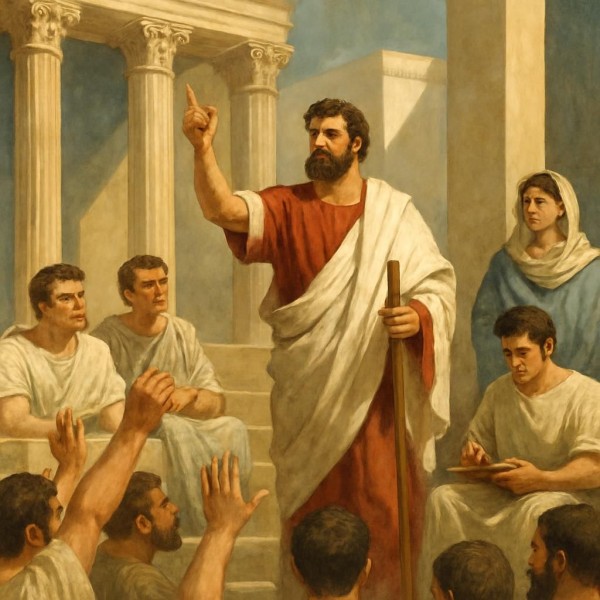
But it wasn’t all smooth sailing. Many elites resented the rise of the tribunes. They saw these officials as troublemakers who could paralyze the government by vetoing important decisions. That’s exactly what happened at times. Tribunes wielded their veto so powerfully that patricians sometimes accused them of creating gridlock.
This back-and-forth makes you think: What happens when a tool designed for protection becomes a weapon for obstruction? Roman history didn’t give a clear answer. What’s clear, though, is that the role of tribunes stirred ongoing debates over authority, democracy, and fairness.
Today, the idea of a Tribunus Plebis reminds us how vital checks on power are — especially from the less privileged. It’s a lesson about the need for voices that defend fairness inside any system.
Let's zoom in on a particular example. Imagine Lucius, a plebeian craftsman in Rome. Without a tribune, he might have little recourse against unfair taxes or exploitation by rich landowners. But with a Tribunus Plebis on his side, Lucius could feel a bit safer — knowing someone was legally empowered to step in when things got out of hand. This kind of personal protection was a game-changer.
However, not all tribunes acted with the people's best interest at heart. Some used their position to gain personal influence or block laws for political reasons. This is a reminder that institutions depend heavily on the people within them.
“Power without accountability is a recipe for conflict, even in ancient Rome.”
So, how can you take a page from the tribunes when thinking about justice or governance? Here’s a quick guide to the ideas behind their role:
- Representation: Standing up for those who lack power is crucial in any society.
- Veto Power: Having mechanisms to stop unfair decisions is a key part of balanced governance.
- Legal Reform: Change often requires voices willing to challenge the status quo.
- Accountability: Even the most powerful representatives must answer to the people they serve.
This perspective reminds us why the Tribunus Plebis is still discussed in political theory and history classes. Their role was an early form of what we might now call “people’s advocates”. In fact, many modern democratic tools echo this ancient idea, even if the context has dramatically changed.
But if you’re new to Roman history, you might wonder: Didn’t the tribunes just prolong class conflicts? In some ways, yes. They emerged because tensions between patricians and plebeians were intense and ongoing. However, rather than outright rebellion, tribunes provided a structured way to channel grievances into political action.
So, the tribunes weren’t just problem makers — they were part of the solution. Interesting, isn't it?
Let’s wrap it up with a quick reflection. The Tribunus Plebis reveals a big truth about societies old and new: power imbalances are inevitable, but institutions can help balance those scales. Whether you’re studying history or just navigating everyday fairness, it’s a reminder that voices for the overlooked matter.
If you had the chance to be a tribune, what causes would you stand up for? Would you use your veto to protect the powerless, or would the temptation of influence be too strong? History leaves that choice open — and so do we.
요약:
고대 로마 공화국에서 Tribunus Plebis는 평민의 권리를 보호하고 법과 일상 생활에 큰 영향을 준 중요한 역할이었습니다. 이 제도는 권력 남용을 막고 사회적 갈등을 해결하는 장치였으며, 오늘날 민주주의에서 시민 대변인 역할의 원형으로도 볼 수 있습니다. 역사 속에서도 개인과 집단의 권리 보호는 여전히 중요한 문제임을 다시금 상기시켜 줍니다.
댓글목록0