Contubernium: Backbone of Roman Republican Military

 운영자
운영자
본문
Contubernium: Backbone of Roman Republican Military
Exploring the Social and Martial Structure of An Ancient Brotherhood
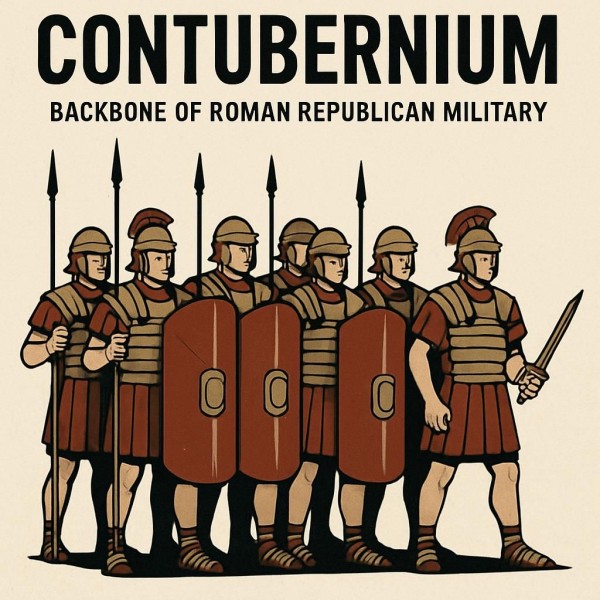
The story of the Roman Republic is often told through grand battles and legendary leaders. Yet, true military strength is forged in small, disciplined units. One such unit—the contubernium—stood as the essential backbone of Rome’s military structure.
What was a Contubernium?
At its core, a contubernium was a group of eight Roman soldiers who shared more than just a tent; they built enduring camaraderie and practical support systems. They ate, marched, and fought side by side, forming a brotherhood that echoed throughout the legions.
Role and Organization Within the Army
- Each contubernium contained eight legionaries.
- Ten contubernia composed a century, led by a centurion.
- Each century, and thus the contubernia, could function independently or together with the legion as a whole.
- Military training and daily routines revolved largely around the group’s coordination.
Nothing in Roman military life was done alone; cooperation was law, not exception.
Daily Life in the Contubernium
Living in close quarters, the legionaries developed a unique social system. Not only did they sleep in the same tent, but shared tasks such as cooking, guard duty, and camp set-up. For most soldiers, their contubernales became closer than biological family.
The tent itself was an icon: made of leather, large enough only for eight, pitched in precise formation. Every aspect of camp discipline stemmed from the group.
Contubernium Leadership: The Decanus
Leadership within the group fell to the decanus—the senior or most experienced soldier in the tent. He was responsible for order, minor discipline, resource rationing, and ensuring group cohesion. This minor but vital authority mirrored Roman political virtues: every soldier, even at the lowest level, trained to lead and set an example.
Contubernia and the Cohesion of Republican Armies
Military effectiveness in the Roman Republic rested not just on weapons or orders, but trust. Soldiers who drilled, dined, and slept together cooperated instinctively on the field. The solidarity born from a shared tent translated directly into formidable battlefield performance.
Contubernium in Training and Discipline
Intensive discipline made every contubernium a hive of efficiency. Daily drills, close marching order, and shared chores kept every member tightly bound in purpose and action.
- Penalties for failure or negligence affected all eight men.
- Rewards such as double rations or first pick of supplies could be offered to the whole group.
- This group accountability system prevented disorder and fostered mutual responsibility—a core Roman value.
The Contubernium's Enduring Legacy
Over centuries, the contubernium model influenced military organizations far beyond the Republic. Its emphasis on accountability, teamwork, and decentralized leadership echoes in modern armies. Even today, the tradition of squad-based military living owes much to these ancient Roman roots.
Brotherhood Under Arms: Social Dynamics
Bonds between contubernales often lasted a lifetime, with veterans reminiscing about their tent-mates long after leaving the legions. This personal connection helped reduce desertion, increased morale, and maintained loyalty to both group and state.
The Roman elite understood that the strength of an army was built one tent at a time—one brotherhood forging another.
Contubernium in Campaigns and Battles
During long campaigns, the contubernium adapted quickly to harsh conditions, from Gaul's forests to Carthage's deserts. Their mutual support enabled successful night marches, rapid camp construction, and dauntless defense against enemy attacks.
In combat, each soldier’s trust in his contubernales was paramount; formations depended upon every member holding their station without fail.
Comparison to Other Military Units
Celtic bands emphasized kinship, but lacked codified organization of tent groups.
Thus, the contubernium stood unique: a professional, practical, and highly social solution to the complexities of ancient warfare.
Cultural Representation and Legacy
In Roman literature and military treatises, the contubernium is a symbol of unity and discipline. Subsequent generations of Roman and even Byzantine troops maintained versions of this organization. Today’s militaries, with their squad and fireteam structures, mirror this ancient innovation.
Inspiration for Modern Leadership
Contubernium offers lessons not only for soldiers, but all organizations. Careful leadership, mutual accountability, and tight-knit bonds remain pillars of effective teams today—from boardrooms to battlefields.
댓글목록0