How Triarii Shaped the Ancient Roman Republic’s Military Success

 운영자
운영자
본문
When you think of Ancient Rome’s military triumphs, images of legions and formations often come to mind. But there’s one group that doesn’t get nearly as much spotlight, even though they were crucial: the Triarii. These seasoned veterans formed the backbone of Rome’s early army structure and helped shape the Republic’s way of war. Curious why a relatively small band of soldiers played such a decisive role? Let’s dive in.
The Ancient Roman Republic was not built overnight. Like any state, it faced frequent internal struggles and external threats. And its military had to evolve constantly. Within this evolution, the Triarii stood out as the wise guardians, the last line of defense when everything else faltered.
“They were more than just soldiers — the Triarii were the seasoned heart of Rome’s early military success.”
To a newcomer, understanding Roman military ranks might feel like decoding a secret language. The Triarii were part of the manipular legion system, which was quite different from later mass phalanxes or the imperial legions. Here, experience counted as much as numbers.
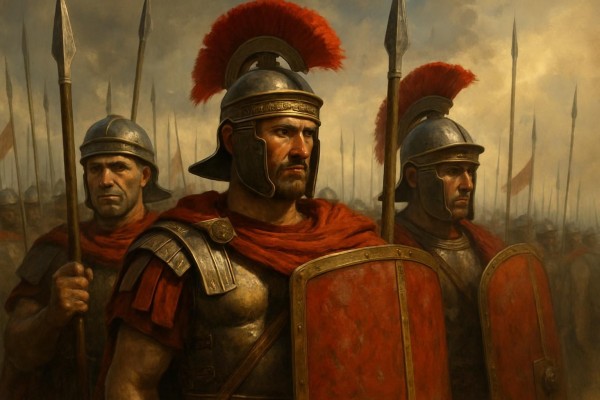
What made the Triarii special was their role and composition — first and foremost, they were veterans, usually older men who’d already faced battle. Instead of being the first to charge, they stayed back, ready to step in during critical moments. Their shields, spears, and discipline made them a formidable reserve force.
Key Traits of Triarii — The "Third Rank" soldiers were:
- Typically older and more experienced than other infantrymen
- Equipped with longer spears (hasta) and large rectangular shields (scutum)
- Positioned behind the hastati and principes during battles
- Strategically deployed only when the front lines were pushed back
The phrase ‘ad triarios redisse’, meaning “to fall back on the Triarii,” actually became a Latin expression that meant things had gotten serious — the last hope was being called upon.
But it's worth asking: why didn't the Triarii always lead the attack? The answer lies partly in Roman social and military structure. The Roman army was layered, built around wealth and experience. The youngest and least experienced, the hastati, went first, testing enemy defenses. Then the principes, skilled citizens in their prime, would engage. The Triarii saved their strength for when those lines buckled.
Imagine a battlefield where chaos engulfs the hastati and principes — panic spreads like wildfire. This was the moment when commanders could turn to the Triarii. Their presence often stabilized the line, buying time and morale to rally troops.
From an expert’s perspective, the Triarii exemplify the power of a disciplined reserve force. Modern military tactics still emphasize keeping a well-prepared strategic reserve, and the Romans were among the first to put this into practice.
Let’s tell a story. Picture Lucius, a veteran Roman citizen in his early forties, returning home from retirement only to be called up during the Samnite Wars. He’s no longer as quick as he once was, but his experience counts for more than raw strength. On the battlefield, Lucius watches as younger soldiers break ranks, and when the call comes, he and his comrades form a wall of spears and shields that turns the tide.
Lucius’ role wasn’t glamorous, but it was essential. This story helps us understand that military success often isn’t about the flashiest moves, but the steady, reliable forces in the background.
“Behind every victorious Roman line stood the unwavering Triarii.”
However, there’s a common misconception that Triarii were just a fallback unit without honor. That’s not quite true. Many historians emphasize that service as a Triarius was highly respected. Being called into that role signified trust from commanders and peers alike.
On the flip side, some argue that the rigid structure of the manipular system, including the Triarii’s role, eventually limited Rome’s adaptability to changing battlefields. But then again, military innovation often comes with trade-offs.
Now let’s shift our focus to how you can borrow a lesson from the Triarii in daily life.
Applying the Triarii mindset today:
You don’t always have to be the first to act or the loudest voice in the room. Sometimes, being the steady, reliable support — the “reserve force” — can make all the difference.
Here’s a quick checklist for embracing that Triarii spirit:
- Build experience patiently. Don’t rush; steady growth counts.
- Remain calm in crises, ready to help when needed.
- Value strategic patience over impulsive actions.
- Offer your support quietly but confidently to your team or community.
What would it feel like to be that dependable presence people know they can count on — without the spotlight? For many, it’s a rewarding place to be.
“Strength isn’t always about leading the charge; sometimes it’s holding the line when all else fails.”
By appreciating the impact of the Triarii, we gain a fuller picture of how the Ancient Roman Republic built its military success: not just through numbers or power, but through strategy, trust, and resilience. It’s a story that reminds us strength takes many forms.
댓글목록0