Cincinnatus, Gaius Julius Caesar, and Cicero: Insights into Leadership…

 운영자
운영자
본문
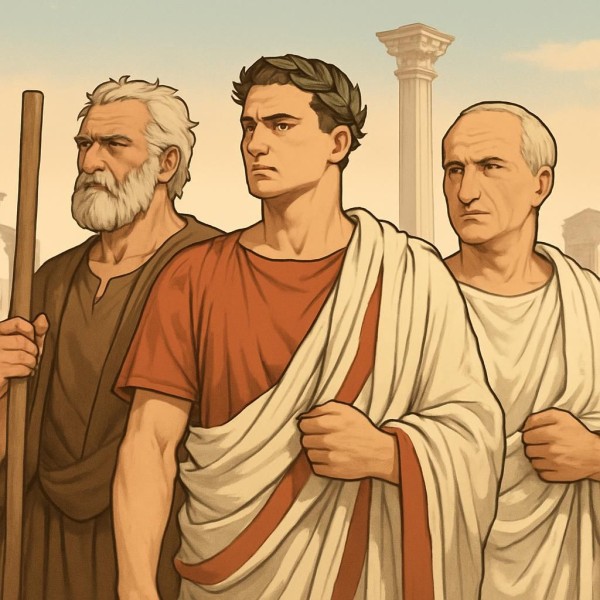
When we dive into the world of the Ancient Roman Republic, three figures often emerge as icons of leadership: Cincinnatus, Gaius Julius Caesar, and Cicero. Each of these personalities shaped Rome’s political landscape in distinct ways, reflecting very different strategies and ideals about power and responsibility.
Their stories still resonate today, especially when we consider what modern leadership means. But how exactly did they exercise their influence? And what lessons can we draw from their lives and choices?
Cincinnatus is often held up as the embodiment of modest leadership. According to historical accounts, notably by Livy and Plutarch, he was a humble farmer who twice took up the position of dictator only to resign it promptly after resolving crises. His commitment to the Republic rather than personal power struck a chord with many later thinkers.
It’s tempting to think of Cincinnatus as the perfect, selfless leader — but what made his leadership effective? It wasn’t just his temporary command; it was his unwavering obedience to the law and prioritization of Rome’s stability over ambition. His actions underline an essential leadership lesson: sometimes saying no to power holds more strength than grabbing it.
"True leadership respects limits. Cincinnatus’s legacy reminds us that leadership is a responsibility, not a reward."
From an expert’s point of view, Cincinnatus demonstrated what leadership scholars now call ‘servant leadership’. It’s a style based on serving others first. In practice, this meant a temporary, focused use of power to restore order — then stepping down.
For everyday leaders, this approach is refreshing. Rather than clinging to authority, it encourages trust-building through transparency and restraint. Have you ever felt pressure to hold on to control when surrender would actually help everyone? Cincinnatus’s example shows there is honor in stepping aside.
Caesar's name often evokes images of both military genius and political controversy. His rise shattered the traditional republican order, steering Rome towards imperial rule. But what drove him? How did his leadership style contrast so vividly with that of Cincinnatus?
Unlike the reluctant Cincinnatus, Caesar pursued power assertively, blending military prowess with political savvy. Through strategic alliances like the First Triumvirate and reformist policies, he sought to centralize authority — yet, often wrapped in the rhetoric of populism.
From a historiographical perspective, Caesar is a fascinating case. Recent studies emphasize how he balanced intimidation and charisma — a mix that won him loyalty but ultimately alarmed the Senate.
You’ve probably seen modern leaders who thrive on visibility and often blur lines between personal charisma and institutional power. Caesar’s story can remind us that such leadership might yield quick wins but risks alienating broader support.
"Leadership without limits can kindle transformation — but danger lies in overwhelming the system that holds you."
If Caesar was the bold tactician, Cicero was the voice of reason and law. As a statesman and orator, he championed the ideals of republican governance. His efforts focused on defending the rule of law against tyranny and corruption.
For the ordinary citizen or aspiring leader today, Cicero’s life illustrates the power of rhetoric and principle. His speeches still echo as warnings about the fragility of democracy and the perils of unchecked ambition.
But Cicero wasn't just a talker. He used political alliances, legal actions, and even personal risk to uphold order. His refusal to back down during the Catiline Conspiracy showed a profound courage rooted in commitment to the Republic's ideals.
This brings a crucial point: leadership is more than power — it’s a continual negotiation between ideals and reality. Cicero’s stubborn integrity might frustrate some, yet it’s this tension that keeps societies balanced.
"Words have power — Cicero’s speeches remind us how leadership depends on not just action, but the vision we share."
- Cincinnatus: Leadership born from selflessness and duty, marked by a temporary, restrained exercise of power.
- Caesar: A rising force of ambition and tactical brilliance, whose power reshaped Rome but also disturbed its foundations.
- Cicero: The voice of law and oratory, standing firm on republican ideals amid political chaos.
요약: 고대 로마 공화국의 세 지도자, 신중함의 상징인 Cincinnatus, 전략적 야망의 대표인 Julius Caesar, 그리고 법과 이상을 수호한 Cicero는 각기 다른 리더십 모델을 보여준다. 이들의 정치적 행위와 사상은 현대 리더들에게 자기희생, 전략, 소통의 중요성을 일깨워준다. 결국 좋은 리더란 상황에 맞게 적절히 힘을 쓰고, 자신과 공동체를 균형 있게 견제할 줄 아는 사람이다.
댓글목록0