Scipio Africanus: Architect of Rome’s Turning Point

 운영자
운영자
본문
In the middle years of the 3rd century BCE, Rome confronted an existential threat in the form of Hannibal Barca and the Carthaginian war machine. One Roman commander changed the strategic frame of that conflict: Publius Cornelius Scipio, later surnamed Africanus. He combined tactical ingenuity, bold operational choices and a public persona that would shape Rome’s image for generations.
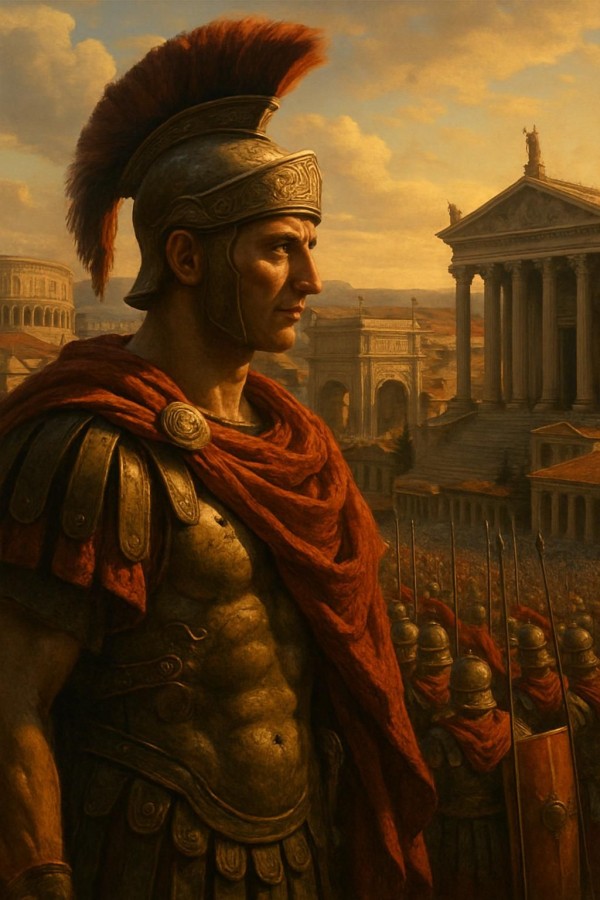
From youthful tribune to strategic innovator
Scipio’s rise is as much a tale of circumstance as of talent. Surviving the brutal years of Cannae, he re-emerged with a resolve to prosecute the war on new terms: instead of merely containing Hannibal in Italy, he pushed the fight into Iberia and ultimately into Africa. That strategic reframing — projecting Roman power to the enemy’s heartlands — set a precedent for Roman expeditionary doctrine in the late Republic.
The capture of Carthago Nova (modern Cartagena) in Iberia was a textbook operational stroke: a combined naval-and-land assault, seizing enemy stores, hostages and economic assets that funded later operations. This campaign also showcased Scipio’s use of intelligence, logistics and local diplomacy — early examples of integrated campaigning in Roman practice.
Quick takeaway: Scipio’s Iberian victories neutralized Carthaginian resources there and created the political condition for an African campaign — a decisive shift in Roman grand strategy.
Zama: tactics, elephants and the end of Hannibal’s campaign
The Battle of Zama (202 BCE) is the hinge in narratives of the Second Punic War. Scipio faced Hannibal’s veteran formations and Carthaginian war elephants; he mitigated the elephant threat and used flexible troop dispositions so that manipular units could absorb, outflank and then exploit breaks in the enemy line. The result: a crushing strategic defeat for Carthage and a Roman opportunity to set diplomatic terms.
"A battle on which everything depended, and which assigned universal dominion to Rome." — how Polybius frames the outcome and its geopolitical consequence.
After Zama, Scipio negotiated comparatively lenient terms for Carthage — a pragmatic choice that secured Roman interests while avoiding prolonged occupation. That political judgement, however, fed rivalries back home.
The man and his myths: clemency, culture and controversy
Scipio’s public image blended Roman martial virtue with Hellenistic polish. Anecdotes such as the so-called "Continence of Scipio" — where he purportedly returned a captive woman to her fiancé rather than exact ransom or concubinage — fed a moralizing reputation that artists and writers later amplified. Whether entirely factual or partly rhetorical, these stories entrenched Scipio as an exemplar of magnanimity.
Yet Scipio was also a polarizing figure. His accumulation of prestige and his willingness to bypass customary age and office restrictions to take commands provoked senatorial jealousy and constitutional unease. The interplay of popular mandate and senatorial authority in his career prefigures tensions that would later reshape the Republic.
Note: Scipio’s case is a study in how extraordinary military success can compress constitutional norms — an enduring theme in Roman political culture.
Institutional imprint: triumph, princeps senatus, and legacy
Back in Rome Scipio parlayed victories into civic honors: a celebrated triumph, later service as censor and the informal authority of princeps senatus. More importantly, his career shaped Roman military doctrine (emphasis on expeditionary operations, coalition-building with local allies such as Masinissa) and cultural taste — the Scipionic circle promoted Greek learning and patronage of arts.
- Operational innovations: combined naval-land operations and tactical flexibility in manipular formations.
- Diplomacy and coalition: Numidian ally Masinissa’s role proved decisive in African operations.
- Civic patronage: Hellenizing influence among the Roman elite and long-term cultural effects.
If you look at the arc of the Roman Republic, Scipio’s action compressed tactical brilliance and strategic risk-taking into results that opened the Mediterranean world to Roman dominance. But his story also warns about the political aftershocks of extraordinary commanders — how acclaim can translate into factional tension once the sword returns to the city.
Reading Scipio today: sources and questions
Our portrait of Scipio relies on a patchwork of ancient narrators — Polybius and Livy among them — and later interpretive layers. Polybius (close in time and often sympathetic to the Scipionic circle) emphasizes military and political causation; Livy shapes moralized exempla. Modern scholarship asks us to sift these voices, separating tactical detail from rhetorical framing and assessing archaeological and topographical evidence for battles like Zama.
Caution: ancient narratives blend eyewitness detail with post facto interpretation. Treat tactical reconstructions and moral anecdotes with critical attention.
In short: Scipio Africanus is both a decisive military innovator and a mirror for the Republic’s tensions. His victories rewired Mediterranean geopolitics; his career foreshadows the institutional dilemmas that later Romans would face when soldiers returned home with power, wealth and fame.
Final thought: What do we want from military leadership — results, restraint, or both? Scipio’s life asks that exact question.
For contemporary readers who want to dive deeper, consult primary narratives and solid reference syntheses: the Polybian account of Zama and specialist entries summarizing Scipio’s campaigns. The full translations and scholarly commentary illuminate how biography, strategy and memory intersect in Rome’s rise.
Further reading (selected anchors): Britannica overview, Polybius, Histories (book 15), Livy: Periochae and summaries.
댓글목록0