Provinces & Expansion: Lusitania’s Role

 운영자
운영자
본문
Provinces & Expansion: Lusitania’s Role
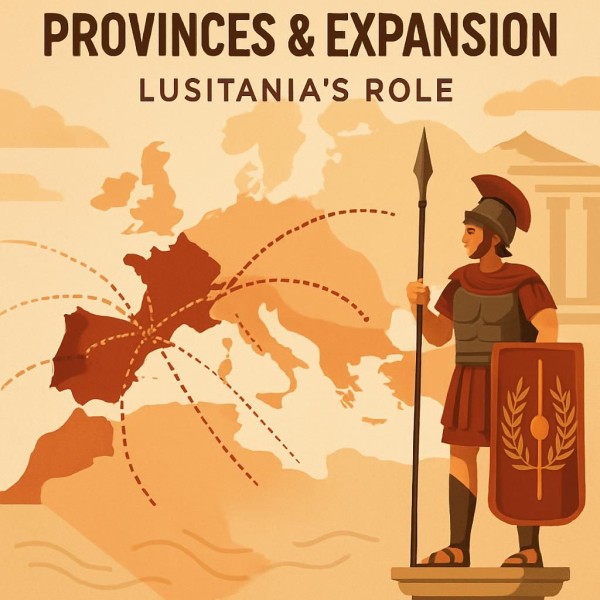
The relentless march of ancient Rome’s ambitions was charted on the bodies of distant lands, their people, and legacies. Among the more intriguing locales standing at the edge of the Republic’s might was Lusitania—a provincial jewel whose story reflects both the grandeur and brutality of imperial expansion.
The Geography and Peoples of Lusitania
Found in what today is central and southern Portugal and a fragment of western Spain, Lusitania’s landscape was a mosaic of river valleys, dense woodlands, and daunting hills. Its original inhabitants, the Lusitani, were vigorous tribal groups cultivated by centuries of adapting to the land’s challenges. Fierce independence and a tradition of warrior leadership defined them, rendering Lusitania a formidable challenge for any would-be conqueror.
Rome’s Westward Ambitions
The Roman expansion west of the Italian peninsula was both strategic and opportunistic. While seeking new sources of mineral wealth, arable land, and military prestige, the Republic inevitably clashed with indigenous societies. It was in the 2nd century BCE, amidst the sprawling wars against Carthage, that Roman eyes fell upon the storied hills of Lusitania.
The Lusitanian Resistance
Led by the legendary Viriathus, the Lusitani mounted a resistance that became the stuff of Roman nightmares. Utilizing guerrilla tactics and their knowledge of rugged terrain, Lusitanians stymied legion after legion. For nearly a decade, from 147 to 139 BCE, Lusitania epitomized the fierce resistance posed by Rome’s ambitious expansion. The Lusitanian War became a protracted campaign that tested the Republic’s resolve.
Transformation into a Roman Province
The Republic’s victory was as inevitable as it was harrowing. Following Viriathus’s betrayal and assassination—an infamous episode revealing Rome’s duplicity—the area was systematically subdued. Lusitania was officially recognized as a Roman province by the late 1st century BCE. Its integration, however, was gradual; roads, towns, and mines took time to build. Cities like Emerita Augusta (modern Mérida) symbolized a new Roman order, rising from a landscape once defined by resistance and endemic warfare.
Economic and Military Significance
- Riches of the Land: Lusitania’s mineral deposits—most famously its gold and silver—drew prospectors and administrators alike.
- A Strategic Cornerstone: Its location secured the Empire’s Atlantic flank, ensuring safer maritime routes and a buffer against northern tribes.
- Military Recruits: Over time, Lusitanian men filled auxiliary ranks in the Roman army, their martial reputation preceding them across imperial campaigns.
Cultural Fusion and the Enduring Legacy
Under the grand umbrella of the Rome, Lusitania became a vibrant node of cultural interplay. Romanization affected language, law, religion, and infrastructure, yet the local flavor endured. Artefacts, inscriptions, and local deities coexist with Roman temples and forums. Some historians believe Lusitania’s unique identity not only survived imperial rule but thrived under its protection—polishing its distinctiveness for the epochs to come.
Even centuries later, the echoes of Lusitania’s saga reverberate through Iberian folklore, language, and heritage. Its story embodies both the cost and consequence of ancient Roman expansion, proving that every conquest leaves a tapestry of transformation in its wake.
Provinces and the Mechanism of Republic Expansion
Lusitania formed a crucial node within the broader machinery of Roman provincial administration. The Republic used its provinces not only for resource extraction and military defense but also as melting pots for Roman identity. The flexible approach—balancing imposition with integration—helped Rome extend its reach, and in regions like Lusitania, both the benefits and tensions of this strategy were felt acutely.
Further Reading
- To delve deeper into the Lusitania region within the Roman Empire.
- For broader context, see studies on the administration of Roman provinces and their integration strategies.
댓글목록0