Provinces & Expansion: Mauretania in Ancient Rome

 운영자
운영자
본문
When we think about the vast reach of the Ancient Roman Republic, it's tempting to focus mostly on Italy or those famous Mediterranean coasts. But Mauretania, sitting on the northwest corner of Africa, tells an intriguing part of that story—a tale of provinces, alliances, and expansion that often gets overlooked.
At first glance, Mauretania might seem like just a distant outpost, tucked away beyond the familiar lands of Carthage or Egypt. Yet, this region played a surprisingly pivotal role in Rome's growing influence during the Republic and into the early Empire. So, what was Mauretania exactly, and how did it fit into Rome’s grand plan?
To put it simply, Mauretania was an ancient Berber kingdom roughly covering modern-day northern Morocco and western Algeria. Unlike outright conquest in many other regions, Rome’s relationship with Mauretania started through diplomacy and client kingship—a sort of partnership that offered both mutual benefits. This wasn’t always the straightforward military domination Rome often preferred; sometimes, a subtler touch was more effective.
If you imagine Rome like a master strategist, they knew that controlling a vast territory wouldn’t just be about battles and legions marching in. It was also about securing borders, building trade networks, and keeping local leaders on their side. Mauretania became a key piece in this puzzle.
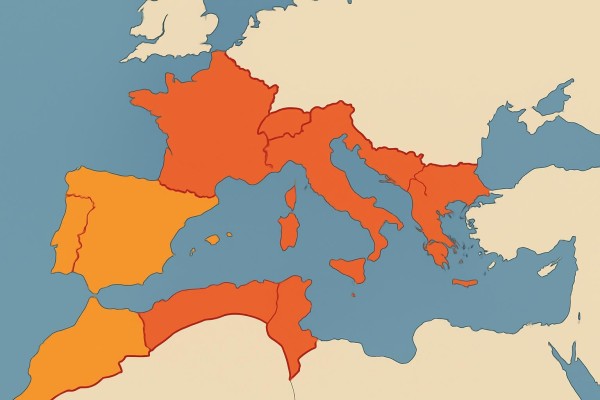
The story kicks off in the late Republic. Around the 1st century BCE, Mauretania was governed by local kings who enjoyed a degree of autonomy but leaned heavily on Rome for protection. King Juba II and his wife, Cleopatra Selene II (yes, the daughter of Cleopatra and Mark Antony), exemplified this unique blend of local rule under Rome's watchful eye. Their reign was marked by a cultural fusion reflective of Rome’s expanding world—imagine blending Berber traditions with Greco-Roman influences.
What made this dynamic fascinating was how Rome managed to integrate these territories without turning them into far-flung conflict zones. Instead of endless wars, Rome often relied on client kings for stability, tax collection, and military support when needed. Think of it like a friendly subcontractor arrangement: Rome got loyal assistance, and local leaders maintained influence—albeit under Rome’s umbrella.
Over time, provinces like Mauretania became even more important as Rome’s borders shifted and threats evolved. For instance, the Roman Empire was always wary of the Saharan desert beyond Mauretania. Maintaining control here helped buffer the heartlands from nomadic groups and ensured smoother trade routes stretching across the Mediterranean and into Africa’s interior.
And speaking of trade, Mauretania sat at a crossroads of various economic pathways. The region’s abundant resources, including purple dye and exotic plants, added to its appeal. This wasn’t just about military strategy anymore; Mauretania became a crucial economic link, feeding the Roman appetite for luxury and variety. It’s interesting to consider how these local economies fed into an empire thousands of miles away.
Of course, things didn’t always stay peaceful. The later years of Roman control saw tensions rise. The famous Roman historian Tacitus notes instances of unrest and skirmishes that exploded when local kings misstepped or when Rome’s grip tightened too much. What you can learn from this is that even client kingships had their limits—culture, local pride, and chance could turn cooperation into conflict.
Eventually, Mauretania was absorbed as a full Roman province during the reign of Emperor Claudius in the first century CE. This meant direct administration, Roman governors, and the integration of Roman law and infrastructure, including roads and cities. The transformation reshaped Mauretania once again, making it a more typical piece of the Roman world but still retaining intriguing local details.
Looking back, Mauretania challenges a lot of common ideas about Rome’s expansion. It wasn’t all legion-frontiers and conquest. Sometimes, it was about partnerships, diplomacy, and cultural blends that shaped how Rome grew into a Mediterranean superpower. It pushes us to think not just about the big military campaigns but about the quieter, complex realities behind forming an empire.
To wrap up, when considering the Ancient Roman Republic and its provinces, Mauretania serves as a reminder of Rome’s diverse strategies and the rich cultural tapestry woven into its expansion. It wasn’t merely a borderland; it was a dynamic frontier with its own stories of cooperation, conflict, and change.
혹시 혹시 당신이 이 글을 통해 느낀 점이 있다면, 고대 로마의 팽창은 단순히 무력에 의한 것이 아니라 다양한 형태의 정치적, 문화적 협력이 함께 이루어진 결과임을 기억했으면 합니다. 마우레타니아처럼, 역사 속의 숨은 지역에 주목할 때, 우리는 제국이 만들어진 복잡다단한 과정을 더 깊게 이해할 수 있지요.
#AncientRome #RomanRepublic #Mauretania #RomanProvinces #RomanHistory #ClientKings #BerberKingdom #RomanExpansion #MediterraneanHistory #NorthAfrica
댓글목록0