Provinces & Expansion: The Fall of Avaricum in Rome

 운영자
운영자
본문
When you hear the name Avaricum, it might not immediately ring a bell like Rome or Carthage. But if we zoom into one of the defining moments of the Ancient Roman republic’s expansion, this little town holds some serious weight. Nestled deep in Gaul during Julius Caesar’s campaigns, Avaricum wasn’t just another settlement—it was a symbol of resistance and tragedy.
To put it simply, the fall of Avaricum marks a brutal chapter in Rome’s relentless push to dominate Western Europe. But what made Avaricum so significant? And how did its capture reshape the Roman approach to conquered territories? Let’s take a closer look.
Imagine a fortified village surrounded by thick forests and fierce warriors determined to keep outsiders at bay. Avaricum was that kind of place.
In the heart of Gaul, the Veneti and other tribes had long been resisting Roman rule, but Avaricum stood out. Its location provided strategic advantage: enough open space for crops and shelter, yet defensible enough to withhold attacks. When Caesar arrived during his Gallic Wars (around 52 BC), he found Avaricum to be both a prize and a challenge.
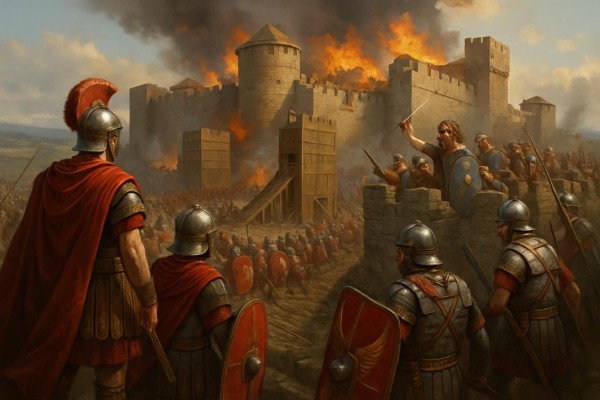
Now, if you think siege warfare back then was straightforward, think again. Caesar’s legions had to build ramparts and siege engines, sometimes under constant threat from the Gauls. The defenders’ spirit was fierce—locals burned their own supplies rather than letting them fall into Roman hands. They dug trenches and fought tooth and nail to keep their home safe.
Despite all efforts, the Romans eventually broke through. The siege of Avaricum was devastating, with most of the population wiped out or captured. Caesar’s writings show a mix of tactical pride and grim acceptance. He admitted the loss of so many people was harsh but justified it as necessary for Rome’s survival and dominance.
This event wasn’t just a military victory. It was a turning point in how Rome approached its provinces. The fall of Avaricum revealed vulnerabilities—both logistical and moral. And it influenced later policies when Rome integrated vast new territories into their growing republic.
Why does this matter today?
If we think about it, expansion often comes with a steep price. The story of Avaricum makes you wonder: what’s the cost of empire-building? When the Romans pushed their borders, they weren’t just conquering land—they were reshaping societies, cultures, and entire ways of life.
This is where things get interesting. Success for Rome often meant tough decisions, which sometimes came at heartbreaking costs for local populations. But these moments also laid the groundwork for provinces to later become part of a wider Roman world—bringing a complex blend of stability and strain.
Looking at Avaricum from another angle, it’s a story about how human resilience meets unstoppable forces. The Gauls’ fierce defense speaks to a universal theme in history: the clash between local identity and imperial power.
So next time you read about Roman conquests, remember Avaricum. It’s not just a footnote in history books but a snapshot of the messy, sometimes brutal realities behind the Ancient Roman republic’s rise.
What would you have done if you were defending Avaricum? Hold out against the odds, or find a way to negotiate peace? History doesn’t always give us easy answers.
In the end, the fall of Avaricum is more than a military episode. It’s a reminder that expansion changes everything—territories, people, and the very fabric of power.
요약: 아바리쿰의 함락은 고대 로마 공화국의 영토 확장 과정에서 중요한 의미를 가진 사건이다. 로마군의 공격과 갈리아 부족의 저항이 맞부딪힌 이 전투는 로마의 군사 전략뿐만 아니라 지방 통치 방식에도 큰 영향을 미쳤다. 아바리쿰은 단순한 정복지가 아닌, 제국 확장의 복잡성과 그 안에 숨겨진 인간적 갈등을 상징한다.
#AncientRome #RomanRepublic #Avaricum #GallicWars #RomanExpansion #HistoricalSiege #Gaul #JuliusCaesar #RomanProvinces #AncientHistory
댓글목록0